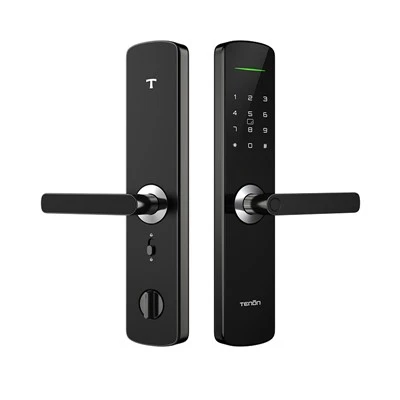

Core Components of a Smart Door
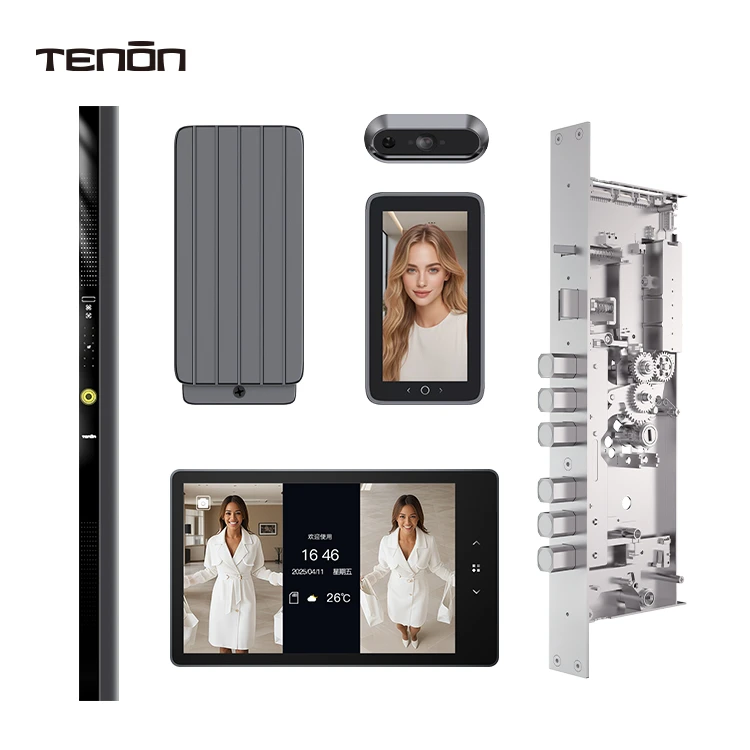
The "intelligence" of a smart door relies on three core components:
Sensor System: Including infrared, microwave, or camera sensors, used to detect movement outside the door and trigger the lock's response.
Control Module: The brain of the smart door, processing sensor data and issuing commands.
Actuator: Such as a motor-driven bolt or electromagnetic lock, responsible for opening and closing the door.
These components work together to allow the door to sense, think, and execute operations.
Smart doors verify identity through multiple methods:
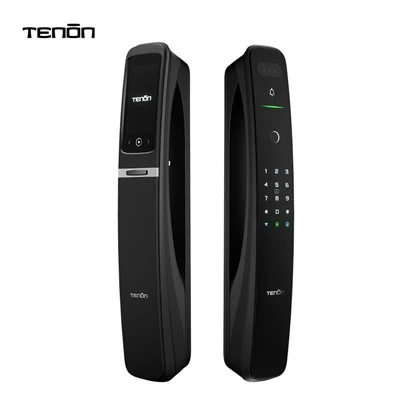
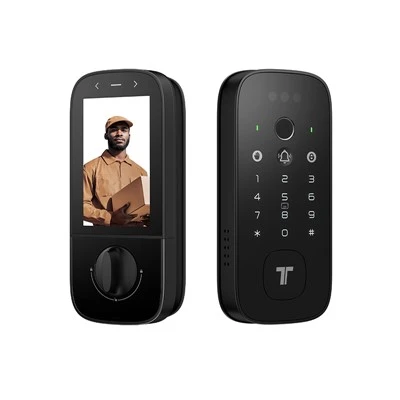
Biometrics: Fingerprint, facial, or iris scanning, directly matching pre-stored biometric features.
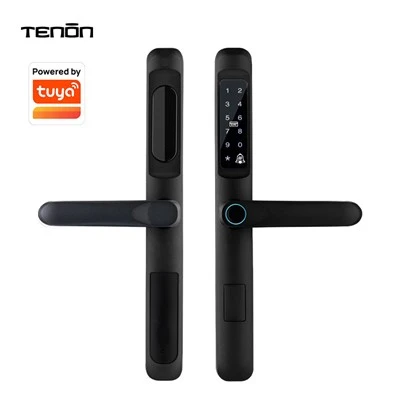
Password/Card: Entering a numeric password or swiping an IC card/NFC device for verification.
Remote Control: Remote unlocking via a mobile app or Bluetooth connection.
Combining technologies can enhance security and convenience, such as "fingerprint + password" dual verification.
Security and Backup Mechanisms
Smart doors don't just pursue convenience; security design is equally important:
Anti-Pry Alarm: Abnormal unlocking triggers an alarm and pushes a notification.
Emergency Power Supply: Built-in backup battery allows for continued operation during power outages.
Mechanical Keyhole: A traditional key serves as a last resort in case of electronic system failure.