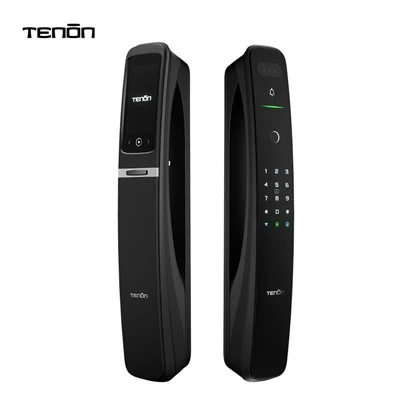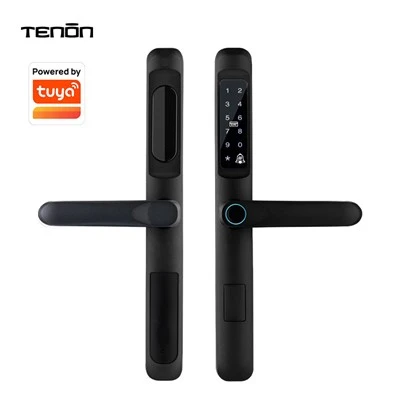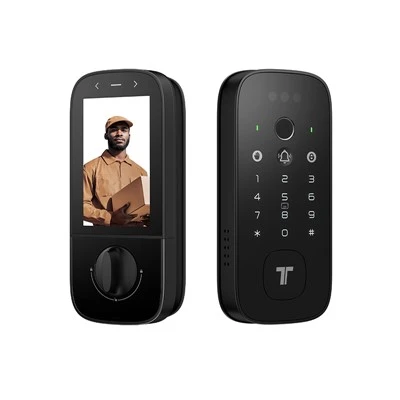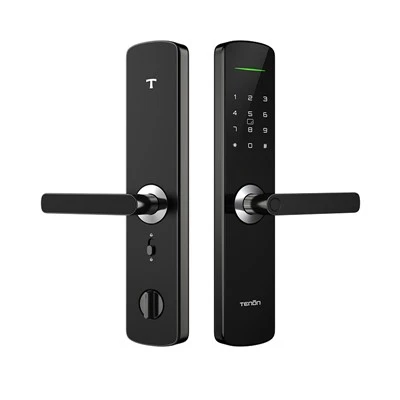

Smart doors are no longer just simple switches; they've become "intelligent gatekeepers" for office buildings. Employees can quickly pass through using facial recognition, fingerprint verification, or mobile NFC unlocking, while visitors must register in advance, avoiding the security risks of lost keys or unauthorized access control. Some systems can also record entry and exit data for convenient attendance management or visitor tracking.
Core Functions of Smart Doors:
Multiple Verification Methods: Supports combinations of card swiping, passwords, and biometrics to adapt to different security levels.
Remote Management: Property management can temporarily authorize visitor permissions or adjust access control hours via a mobile app.
Abnormal Alarms: Automatically triggers alarms and pushes notifications in case of forced entry or prolonged periods without closing the door.
Linked Systems: Integrates with fire safety systems, automatically unlocking escape routes in emergencies.
Practical Tips for Choosing a Smart Door:
Select equipment with recognition speed matching the office building's traffic flow to avoid queues and congestion during peak hours. For glass doors, consider the impact of light transmission on fingerprint recognition; for metal frames, ensure they won't interfere with signal transmission. When renovating older office buildings, prioritize wireless installation solutions to reduce wiring costs. Regularly cleaning the recognition module and updating the system can extend the equipment's lifespan.