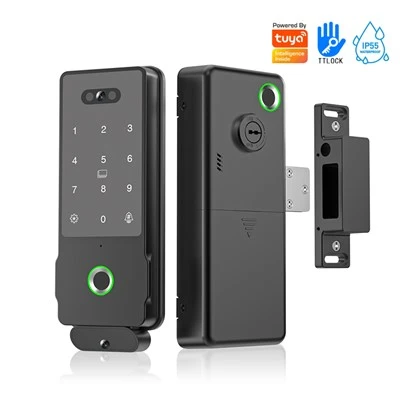

As a reputable Handle Intelligent Lock supplier, I understand the significance of proper maintenance for these high - tech security devices. Intelligent locks, including Handle Intelligent Lock, have revolutionized the way we secure our homes and offices. However, like any other machinery or electronic device, they require regular upkeep to ensure optimal performance and longevity. In this blog, I will discuss the essential tools needed to handle the maintenance of intelligent locks.


Cleaning Tools
- Soft Brush: A soft - bristled brush is vital for cleaning the exterior and interior of an intelligent lock. Dust, dirt, and debris can accumulate over time, especially in the keyholes (if applicable), fingerprint scanners, and other small crevices. For Biometric Face ID Smart Lock, a soft brush can be used to gently remove particles from the face recognition sensor. This prevents false readings and ensures accurate identification.
- Microfiber Cloth: A microfiber cloth is ideal for wiping the surface of the lock. It is gentle enough not to scratch the finish of the lock, whether it is made of metal, plastic, or a combination of materials. Intelligent locks often have touchscreen interfaces or sleek exteriors. A microfiber cloth can clean these surfaces without leaving streaks or smudges. For Face ID Smart Door Locks, which typically have a smooth and modern appearance, regular wiping with a microfiber cloth can maintain their aesthetic appeal while also removing fingerprints and other marks.
- Compressed Air: An air duster or compressed air can be used to blow out dust and debris from hard - to - reach areas. In the internal components of the lock, such as the circuit boards and motor compartments, dust can cause overheating and malfunctions. Compressed air can dislodge these particles safely, prolonging the life of the lock.
Lubrication Tools
- Silicone Lubricant: Silicone lubricant is recommended for the moving parts of an intelligent lock. The lock's bolts, hinges, and other mechanical components need to move smoothly to function properly. Applying a small amount of silicone lubricant to these parts can reduce friction and prevent wear and tear. For Deadbolt Smart Lock, lubricating the deadbolt mechanism can ensure that it extends and retracts easily, providing reliable security.
- Lubricant Applicator: A precision lubricant applicator, such as a small syringe or a brush - tipped applicator, is useful for applying the lubricant accurately. It allows you to target specific areas without over - applying the lubricant, which could attract more dirt and cause problems.
Testing Tools
- Multimeter: A multimeter is an essential tool for checking the electrical components of an intelligent lock. It can measure voltage, current, and resistance. If the lock is experiencing power - related issues, such as not working after a battery change, a multimeter can help diagnose the problem. You can use it to check if the battery is providing the correct voltage or if there are any short - circuits in the wiring.
- Test Keys (if applicable): Some intelligent locks may still have a traditional key override option. Having a set of test keys can help you verify that the mechanical locking mechanism is working properly. If the lock fails to unlock or lock with the electronic methods, testing with the key can determine if the issue lies in the mechanical or electronic part of the lock.
Diagnostic Software and Tools
- Manufacturer's Diagnostic App: Most intelligent lock manufacturers provide a diagnostic app that can be installed on a smartphone or tablet. This app allows you to connect to the lock wirelessly and perform various tests. It can check the lock's firmware version, battery status, and detect any error codes. For example, if the Handle Intelligent Lock is having trouble connecting to the home network, the diagnostic app can help troubleshoot the connectivity issue.
- Oscilloscope (Advanced): In more complex cases, an oscilloscope can be used by technicians to analyze the electrical signals within the lock. It can help detect abnormal waveforms, which may indicate a problem with the electronic components, such as the microcontroller or the sensor circuits.
Replacement Parts and Tools for Assembly/Disassembly
- Replacement Batteries: Intelligent locks rely on batteries to function. Having spare batteries on hand is crucial for maintenance. Make sure to use the recommended battery type and voltage for the specific lock model. For example, some locks may require AA alkaline batteries, while others may use rechargeable lithium - ion batteries.
- Screwdrivers: A set of screwdrivers with different sizes and types (such as Phillips and flat - head) is necessary for disassembling and assembling the lock. When performing internal maintenance or replacing components, you may need to remove the cover or access the internal parts of the lock.
- Pliers and Tweezers: Pliers can be used to grip and manipulate small parts during the maintenance process. Tweezers are useful for handling tiny components, such as screws or small connectors, especially in tight spaces within the lock.
Proper maintenance of intelligent locks not only enhances their performance but also extends their lifespan. By having the right tools and performing regular maintenance, you can ensure that your intelligent locks, whether it's a Face ID Smart Door Locks, Handle Intelligent Lock, Biometric Face ID Smart Lock, or Deadbolt Smart Lock, continue to provide reliable security.
If you are interested in purchasing high - quality intelligent locks or need more information about lock maintenance, we welcome you to contact us for a procurement discussion. Our team of experts is ready to assist you in finding the best solutions for your security needs.
References
- General knowledge on intelligent lock technology and maintenance.
- Manufacturer's guidelines and manuals for intelligent locks.