
As a supplier of Embedded Intelligent Door Systems, I often get asked about the response time of these nifty gadgets. It's a valid question, especially when you're thinking about security and convenience. So, let's dive right in and chat about what this response time entails and why it matters.
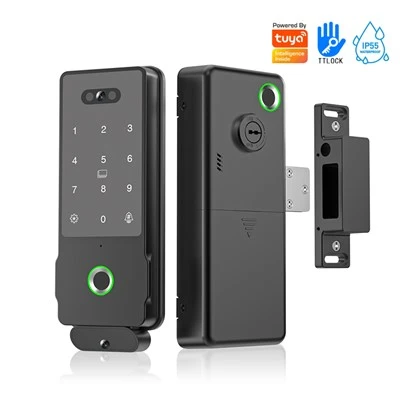
First off, let me quickly introduce what an Embedded Intelligent Door System is. It's not your regular old door; it's a high - tech marvel that combines hardware and software to provide a range of features like access control, security monitoring, and even integration with other smart home systems. These systems are designed to make your life easier and your home or business more secure.


The response time of an Embedded Intelligent Door System refers to how quickly the system can perform a task after it receives a command or detects an event. For example, if you use a key fob to unlock the door, the response time is the time it takes from when you press the button on the fob until the door actually unlocks. This might seem like a small thing, but it can have a big impact on your daily life.
Factors Affecting Response Time
There are several factors that can influence the response time of an Embedded Intelligent Door System. One of the most significant factors is the processing power of the system's microcontroller. Just like your computer, the faster the microcontroller can process information, the quicker the system can respond. A high - end system with a powerful microcontroller will generally have a shorter response time compared to a budget - friendly option with a less powerful one.
Another factor is the communication protocol used by the system. Systems that use wireless communication, such as Wi - Fi or Bluetooth, can be affected by interference from other electronic devices. For instance, if there are a lot of other Wi - Fi networks in your area, it might cause a delay in the signal transmission between your device and the door system. On the other hand, wired systems tend to be more reliable in terms of response time as they are not as susceptible to external interference.
The sensor technology used in the door system also plays a role. Some systems use motion sensors, fingerprint scanners, or facial recognition technology to detect users. These sensors need to accurately identify the user and send the appropriate signal to the door mechanism. If the sensor is slow or inaccurate, it can increase the response time.
Ideal Response Time
So, what's the ideal response time for an Embedded Intelligent Door System? Well, it depends on the specific application. In a residential setting, most people want the system to unlock the door within a second or two after they use their access method. This is especially important if you're carrying groceries or have your hands full. A long response time can be frustrating and might even make you question the system's reliability.
In a commercial setting, the requirements might be a bit more strict. For example, in a high - security building, the system needs to quickly verify the user's identity and unlock the door to prevent unauthorized access. A delay in response time could pose a security risk. Generally, a response time of less than a second is considered ideal for commercial applications.
Our Solutions
At our company, we've worked hard to optimize the response time of our Embedded Intelligent Door Systems. We use high - performance microcontrollers that can process information quickly. Our wireless communication protocols are designed to minimize interference, and we've implemented advanced sensor technology to ensure accurate and fast user identification.
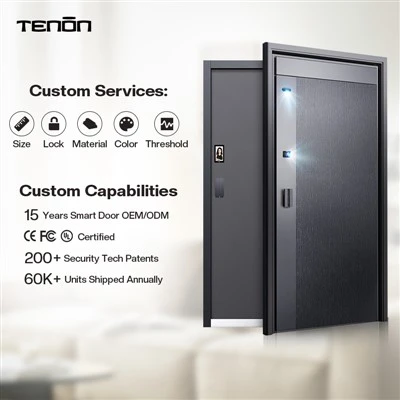
We offer a range of door systems to suit different needs. Our Minimalist Frame Aluminium Smart Door System not only looks sleek but also provides a quick response time. It's perfect for modern homes that value both style and functionality.
If you're looking for a more residential - focused option, our Residential Smart Door System is designed with the needs of homeowners in mind. It offers a seamless user experience with a short response time, making it easy for you to enter and exit your home.
For those who prefer the durability and aesthetics of aluminium, our Aluminium Smart Door System is a great choice. It combines the strength of aluminium with the latest smart technology, ensuring a fast and reliable response.
Why Response Time Matters
Response time is not just about convenience; it's also about security. A fast - responding door system can prevent unauthorized access more effectively. For example, if someone tries to break into a building using a brute - force method, a system with a quick response time can activate the alarm and notify the authorities before the intruder can gain entry.
In addition, a short response time can enhance the overall user experience. When you use a smart door system, you expect it to work smoothly and efficiently. If the system is sluggish and takes a long time to respond, it can make you frustrated and less likely to use the system in the future.
Contact Us for Purchase and Consultation
If you're in the market for an Embedded Intelligent Door System and are concerned about response time, we're here to help. Our team of experts can provide you with more information about our products, answer any questions you might have, and help you choose the right system for your needs. Whether you're a homeowner looking for a convenient way to access your home or a business owner in need of a high - security door solution, we've got you covered. Don't hesitate to reach out and start a conversation about how our Embedded Intelligent Door Systems can improve your security and convenience.
References
- "Smart Home Technology: A Comprehensive Guide", published by TechInsight Press
- "Security and Access Control in Modern Buildings", an industry report by Security Solutions Inc.