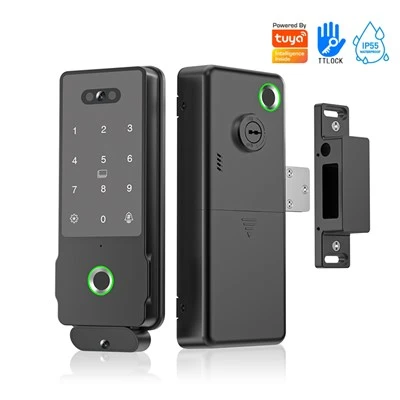

Can Biometric Face ID Smart Lock be used in museums?
As a supplier of Biometric Face ID Smart Locks, I've often pondered the potential applications of our cutting - edge technology in various settings. One particularly interesting area is museums. Museums are not only repositories of history, art, and culture but also places that require high - level security. In this blog, I'll explore whether Biometric Face ID Smart Locks can be effectively used in museums.
The Security Requirements of Museums
Museums house a vast array of valuable and often irreplaceable artifacts. These can range from ancient sculptures to modern masterpieces. Protecting these treasures from theft, vandalism, and unauthorized access is of utmost importance. Traditional locks and access control systems have been used for a long time, but they come with certain limitations. Keys can be lost, stolen, or duplicated, and access cards can be misplaced or forged.
Biometric Face ID Smart Locks offer a more secure alternative. Unlike traditional methods, facial recognition technology uses unique biological features of an individual. Each person's face has distinct characteristics, such as the distance between the eyes, the shape of the nose, and the contour of the jaw. This makes it extremely difficult for an unauthorized person to gain access. For example, a thief cannot simply pick a lock or use a copied key; they would need to physically present a face that matches the authorized profile.
Advantages of Biometric Face ID Smart Locks in Museums
1. High - Precision Identification
Biometric Face ID Smart Locks are designed to provide highly accurate identification. Advanced algorithms can analyze facial features even in different lighting conditions. In a museum, where lighting can vary from dimly lit galleries to well - lit exhibition halls, this technology can still function effectively. For instance, if a curator needs to access a restricted area during an evening event with subdued lighting, the lock can still accurately recognize their face.
2. Quick and Convenient Access
In a busy museum environment, time is of the essence. Staff members, such as curators, security guards, and maintenance personnel, need to access different areas quickly. Biometric Face ID Smart Locks allow for seamless access. Instead of fumbling for keys or swiping access cards, a simple look at the lock can grant entry. This not only saves time but also improves the overall efficiency of museum operations.
3. Audit Trail and Monitoring
These smart locks can keep a detailed audit trail of all access attempts. This is crucial for museums as it allows them to track who enters and exits different areas at what time. In case of any security incident, the museum management can review the access logs to determine if there were any unauthorized entries. For example, if an artifact goes missing, the audit trail can help identify the last person who accessed the storage area.
4. Integration with Existing Security Systems
Biometric Face ID Smart Locks can be easily integrated with other security systems in the museum, such as CCTV cameras and alarm systems. When an authorized person gains access, the system can be configured to trigger additional security measures, such as activating cameras in the area. This creates a comprehensive security network that enhances the overall protection of the museum.
Challenges and Considerations
1. Privacy Concerns
The use of facial recognition technology raises privacy concerns. In a public space like a museum, visitors may be uncomfortable with the idea of their faces being scanned. Museums need to be transparent about their use of this technology and ensure that proper consent is obtained. They can also implement measures to protect the privacy of visitors, such as anonymizing the facial data collected.

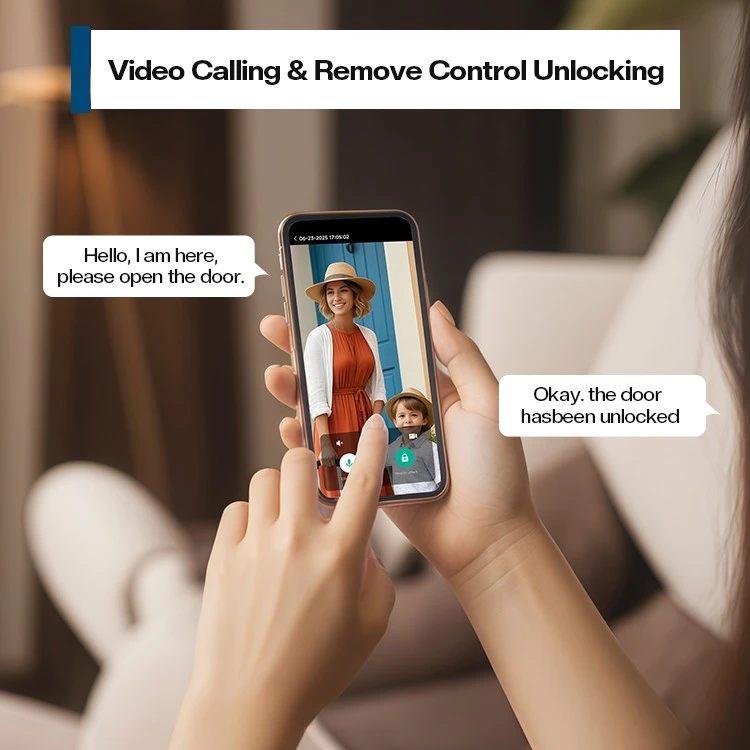
2. Technical Limitations
Although facial recognition technology has advanced significantly, it still has some technical limitations. For example, it may have difficulty recognizing faces with heavy makeup, masks, or in cases where a person's appearance has changed significantly. In a museum, some visitors may wear costumes or masks for educational or cultural reasons. The museum needs to have alternative access methods in place for such situations.
3. Cost
Biometric Face ID Smart Locks can be more expensive than traditional locks. Museums, especially smaller ones with limited budgets, may find it challenging to invest in this technology. However, the long - term benefits in terms of security and efficiency may outweigh the initial cost.
Real - World Examples and Case Studies
There are already some museums around the world that have started using Biometric Face ID Smart Locks. For example, a large art museum in Europe installed Biometric Face ID Smart Lock at the entrances to its high - security storage areas. Since then, they have reported a significant reduction in unauthorized access attempts.
Another museum in Asia integrated Face ID Smart Door Locks with its existing security system. The locks were installed at the main entrances and exit points. This not only improved security but also provided a more seamless experience for staff and visitors.
Conclusion
In conclusion, Biometric Face ID Smart Locks have great potential for use in museums. They offer enhanced security, convenience, and the ability to integrate with other security systems. However, museums need to address the challenges related to privacy, technical limitations, and cost. With proper planning and implementation, these smart locks can be a valuable addition to a museum's security infrastructure.
If you are a museum administrator or a security professional interested in exploring the use of Biometric Face ID Smart Locks for your institution, I encourage you to reach out to us. We can provide more detailed information about our products, including Handle Intelligent Lock, and discuss how they can be customized to meet your specific security needs. Let's work together to create a safer and more efficient museum environment.
References
- "Facial Recognition Technology in Security Applications", Journal of Security Research
- "Best Practices for Implementing Biometric Systems in Public Spaces", International Journal of Privacy and Security